
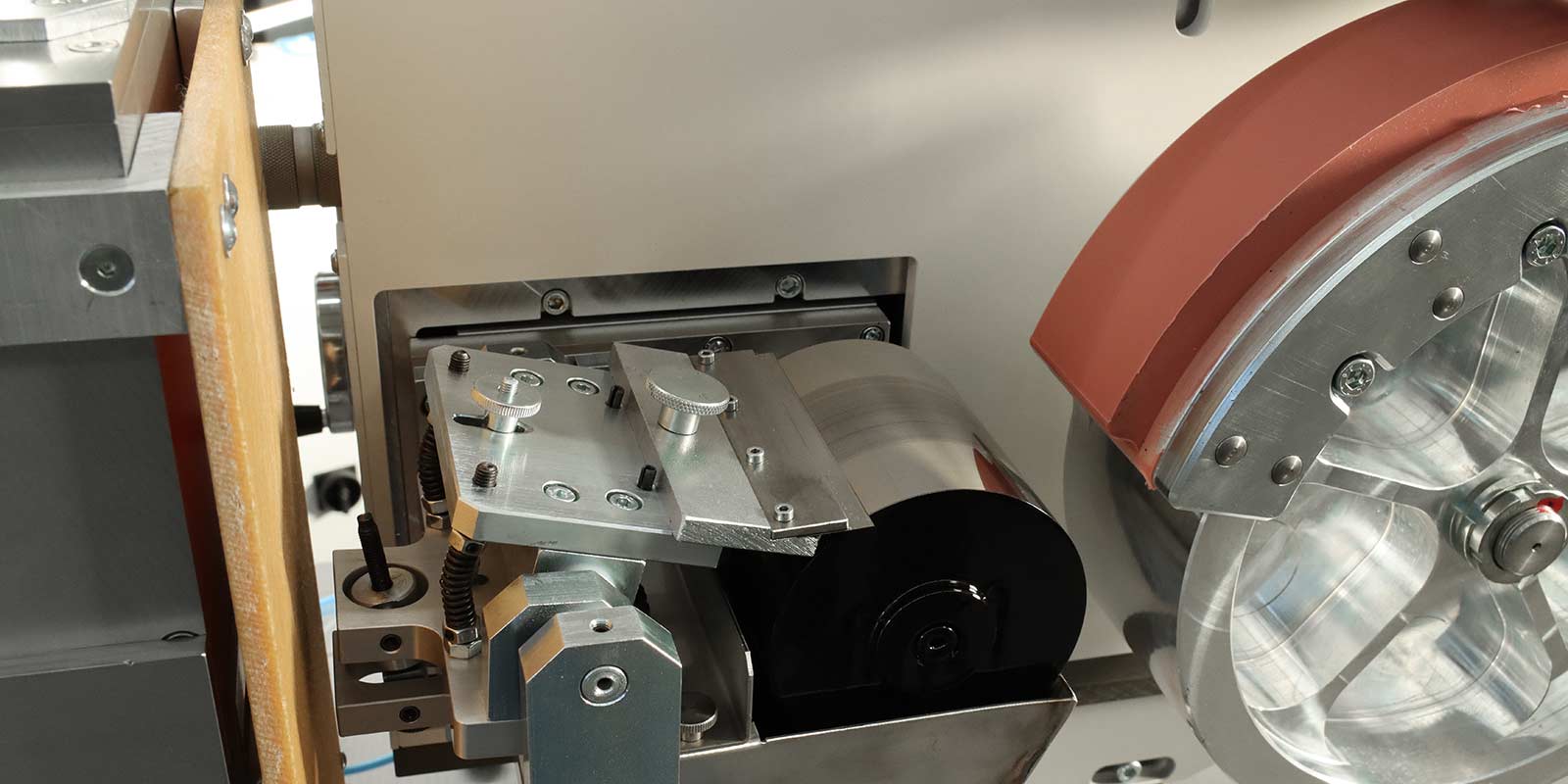
Pad Printing Machines for Complex Components – Made in Germany
Components with complex geometry, tight tolerances, or regulatory requirements? We develop the right printing process – reproducible, production-ready, documented.
What Industrial Pad Printing Enables
Pad printing, sometimes referred to as tampo printing, is an indirect printing process for components that are difficult or impossible to print reliably using other methods: curved surfaces, structured materials, tight tolerances. TAMPONCOLOR develops pad printing solutions that run reliably in series production – from the initial sample discussion to documented approval.
Pad printing for serial production and special applications
Process development including material and ink testing
Integration into existing production lines
Consulting, development, and commissioning from a single source
Pad Printing for Demanding Industries: Applications at a Glance
Pad printing is used wherever precision, durability, and process reliability are non-negotiable.
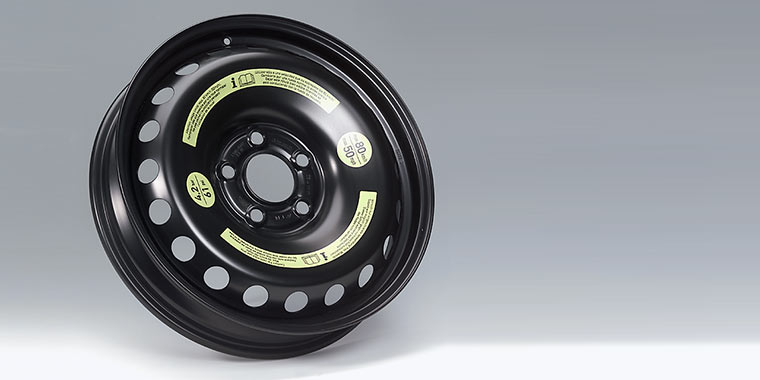
Automotive
Precise markings and functional prints on components that must withstand the high demands of the automotive industry.
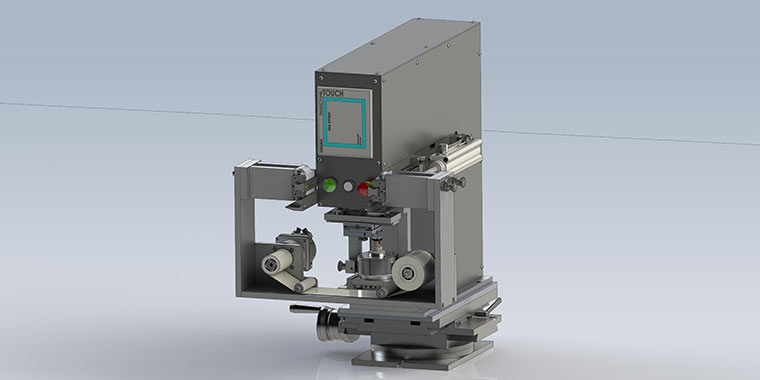
Medical Technology and Pharmaceuticals
Pad printing for medical devices, instruments, and pharmaceutical packaging. Reproducible, traceable, and suitable for validation, with process documentation available on request.
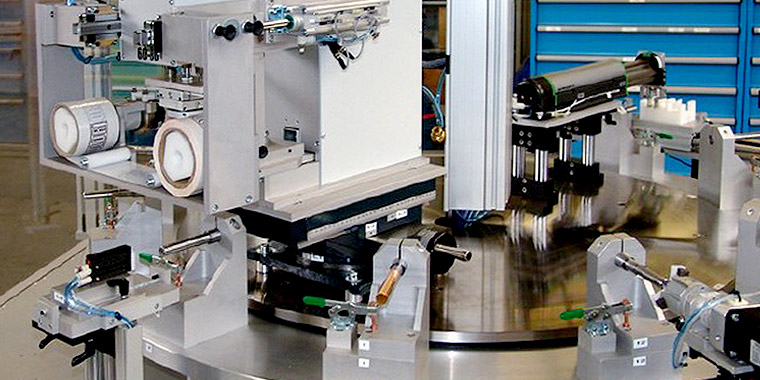
Cosmetics Industry
Decorative and functional prints on packaging and applicators – including on irregular surfaces and small radii.
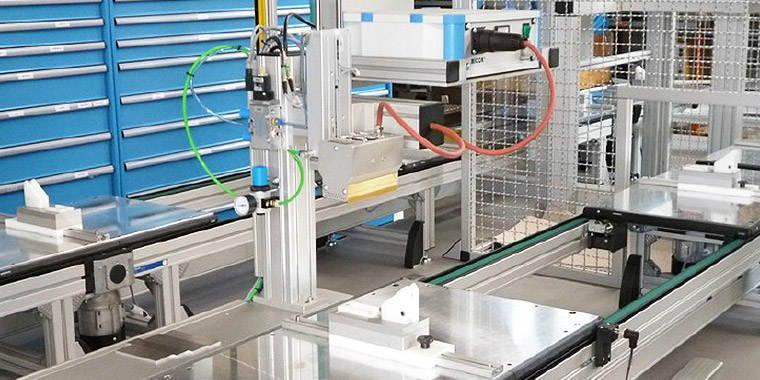
Plastics Industry
Printing plastic components in a wide range of geometries, with matched pre-treatment and stable process parameters.
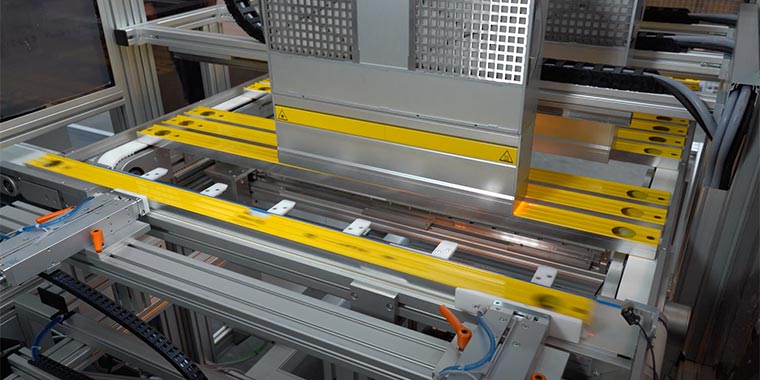
Tool Industry
Durable scales, markings, and inscriptions on tools and measuring instruments, reproducible even at high volumes.
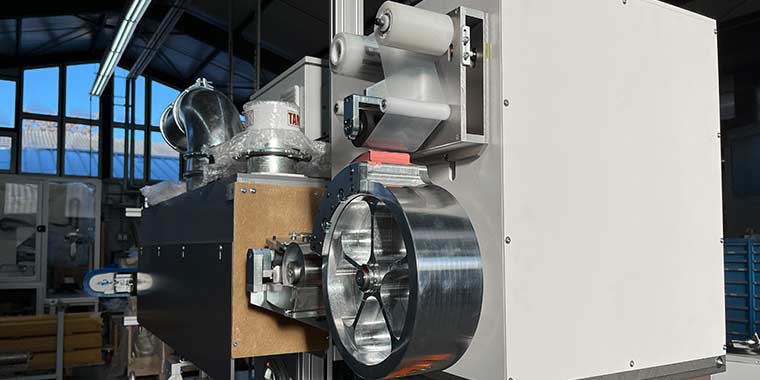
Defense Technology
Pad printing for safety-critical markings in defense technology. With a focus on long-term durability, process reliability, and complete documentation.
Typical Applications in Industrial Pad Printing
Whether functional labeling, safety marking, or decorative printing: the decisive factor is the right process for your component.
Functional markings
Scales and operating symbols
Safety-critical markings
Printing on complex geometries
Technical and decorative prints
High-quality logo printing
From Component to Production-Ready Pad Printing Solution
1
Feasibility analysis: jointly assess component, material, and requirements
2
Selection: defining inks, printing plates, pads, and pre-treatment based on the analysis
3
Validation: sample and process validation, with documentation if required
4
Integration: series integration or development of a custom system concept
5
Quality assurance: documented processes in accordance with ISO 9001:2015
- Founded 1977
- ISO 9001:2015 certified
- Location: Neu-Isenburg
- Active in Europe, the USA, and Asia
Pad Printing Machines and Printing Systems from TAMPONCOLOR
Tailored to your specifications, components, and production volume.
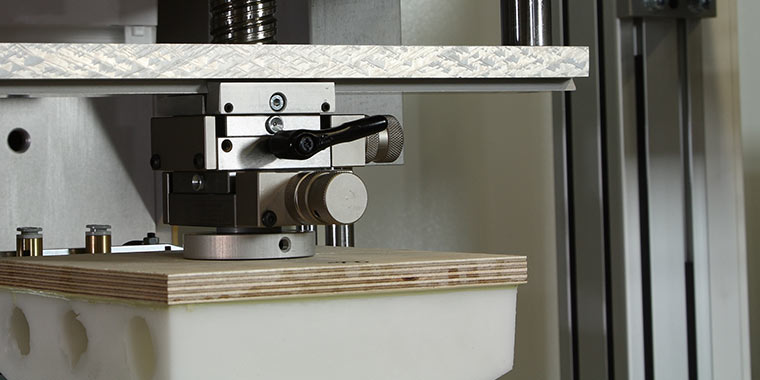
Pad Printing Machines
Machines for manual, semi-automatic, and fully automatic processes, adapted to your components and production requirements.
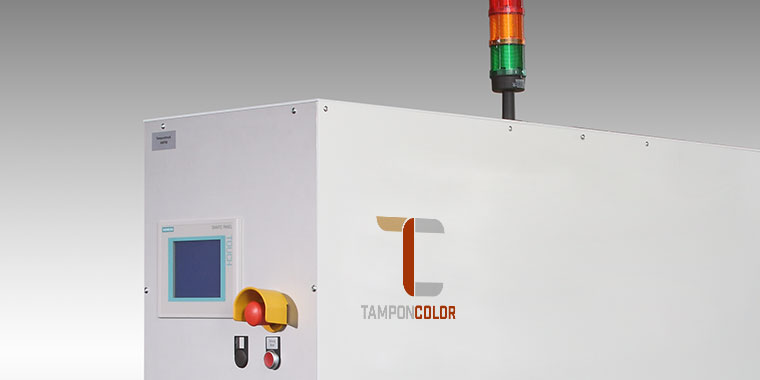
Pad Printing Systems
Complete printing systems including control, peripherals, and pre-treatment, tailored to your production line.
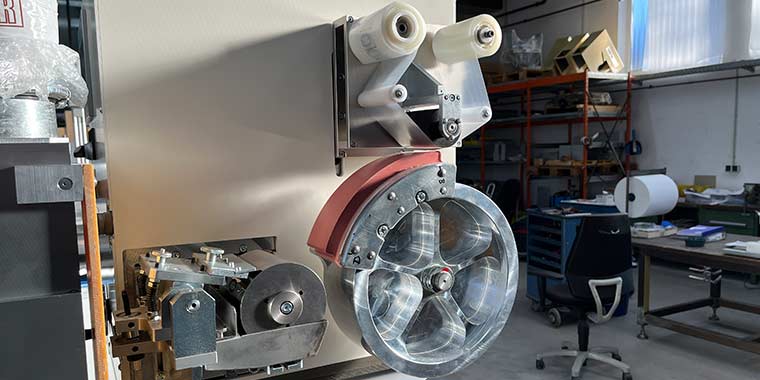
Rotary Printing Machines
Pad printing on rotationally symmetric components: for precise, reproducible print results on cylindrical and conical surfaces.
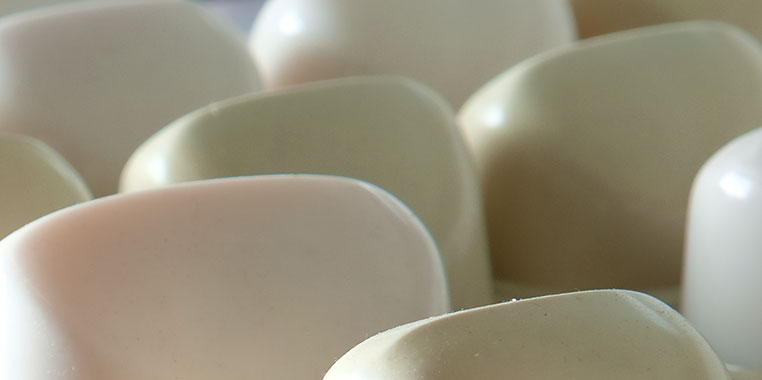
Accessories and Wear Parts
Pad printing inks, clichés, pads, and wear parts. Perfectly matched and supplied directly by the manufacturer.
Frequently Asked Questions about Industrial Pad Printing
Answers to the most important questions, from the initial feasibility assessment to series readiness.
Pad printing is economically viable from a few hundred parts and scalable up to fully automated large-scale production. TAMPONCOLOR advises you on selecting the appropriate machine configuration.
Pad printing works on virtually all industrial materials: plastics, metals, glass, ceramics, and coated surfaces. The key is matching the ink, pre-treatment, and printing parameters to the respective substrate. Material testing is an integral part of our process development.
Durability depends on several factors and cannot be assessed in general terms: ink system, substrate, pre-treatment, and the subsequent operating conditions such as chemical, UV, or mechanical stress. With the right process setup, pad prints achieve stable results over the required product lifespan. We ensure this through sample creation and process validation before the start of serial production.
In these industries, there are heightened requirements for process validation, traceability, and documentation. TAMPONCOLOR supports the development of validation-capable printing processes and provides the necessary process documents on request.
Very quickly. In an initial conversation, we jointly assess whether pad printing is suitable for your application and which process route is realistic. Tell us about your application, and we will assess the most suitable process route.
Pad Printing Since 1977 – References and Projects
- Cooperation with Chemnitz University of Technology
 Pad printing machine for the production of electrically conductive layers As part of a… Read more: Cooperation with Chemnitz University of Technology
 - Openmind funding project
 Openmind funding project As part of the European funding project OPENMIND (On-demand production of… Read more: Openmind funding project
Do you have a specific application?
Together, we assess feasibility, define the right process route, and clarify how TAMPONCOLOR can support your project.