


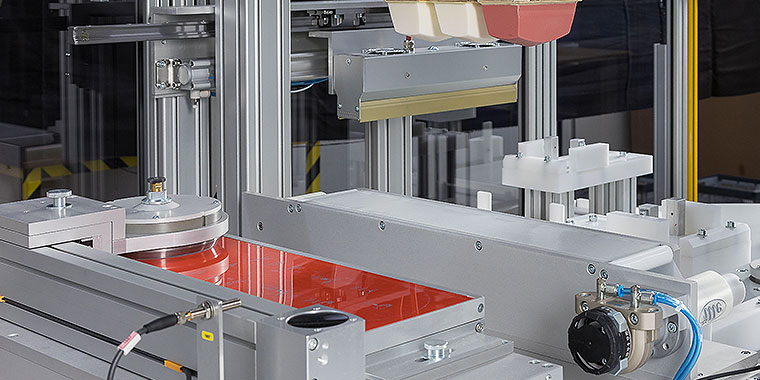
Pad printing machines and systems for industrial printing tasks
TAMPONCOLOR develops pad printing machines, customer-specific printing systems, and rotary printing machines for a wide range of components and production processes. This overview helps you identify the appropriate product group and compare the technical performance ranges of selected models.
Which machine suits your application depends on the print image, component, quantity, degree of automation, and the required process steps.
Pad printing machines, systems, and accessories at a glance
Four product groups for different printing tasks. The following overview helps you determine which solution fits your component.
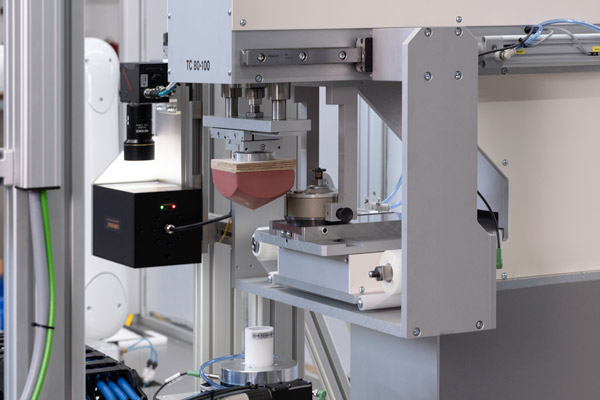
Pad printing machines
Pad printing machines handle the actual printing process: the printing pad picks up the image from the cliché and transfers it onto the component. TAMPONCOLOR offers pneumatic, electromechanical, and servo-electric machines for single- and multi-color applications.
The machines are suitable for clearly defined printing tasks, stand-alone operation, and — depending on the model — integration into automated production workflows.
Suitable for:
- Single- and multi-color printing tasks
- Standardizable production workflows
- Manual, semi-automatic, and automated processes
- Flat, curved, and textured component surfaces
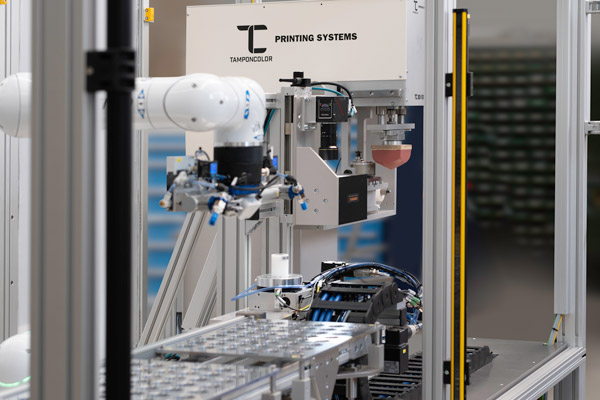
Pad printing systems
Pad printing systems combine one or more printing machines with additional process and handling components. Depending on the application, feeding, workpiece transport, positioning, pre-treatment, drying, inspection, and control can be integrated into the system concept.
The current range includes multi-color printing systems, portal printing systems, and solutions for integration into existing automation or injection molding processes. Selected systems enable printing processes with up to five or six colors.
Suitable for:
- Automated serial production
- Multiple interconnected process steps
- Variable component feeding and workpiece transport
- Complex single- and multi-color printing tasks
- Integration into existing production systems
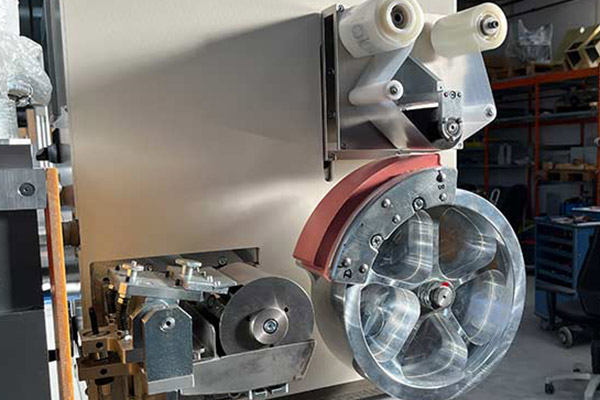
Rotary printing machines
Rotary printing machines are designed for continuous print images on rotationally symmetric components. Instead of a flat cliché plate and a conventional printing pad, they operate with a cliché roller and a pad roller.
This allows cylindrical, conical, or tubular components to be printed during a coordinated rotational movement. TAMPONCOLOR carries rotary pad printing machines in its standard range and can configure them as a stand-alone workstation or as part of an automated system.
Suitable for:
- Continuous print images
- Rotationally symmetric components
- Cylindrical and conical surfaces
- Stand-alone workstations and automated system concepts
Accessories and wear parts
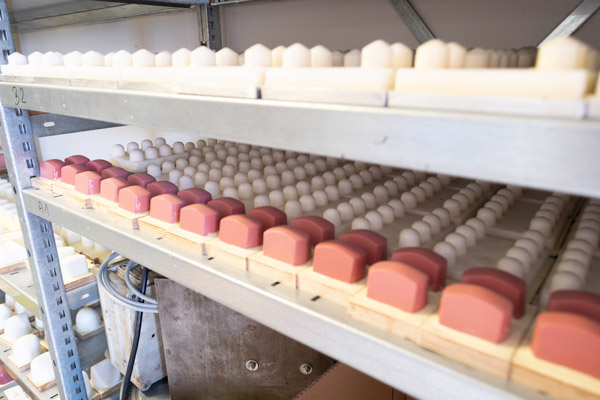
TAMPONCOLOR offers accessories and wear parts for its own pad printing machines and systems. These include ink cups, pad holder blocks, workpiece fixtures, filling aids, printing pads, and other machine-related components.
Workpiece fixtures can be adapted to the geometry and print position of a component. Additional components are available in various designs or upon request.
Suitable for:
- Setting up and operating TAMPONCOLOR machines
- Replacement of existing wear parts
- Adapting the workpiece fixture
- Extending existing printing processes
Technical orientation based on selected machines
Performance data varies significantly by machine model and application. The following values therefore do not represent a general product range but selected examples from the current TAMPONCOLOR portfolio.
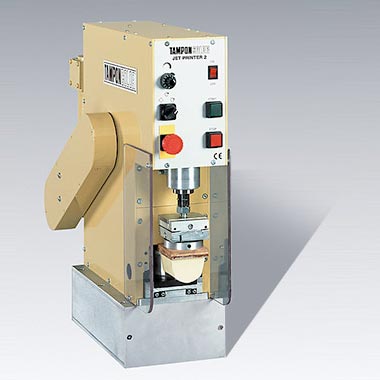
Jet Printer 2
Drive and application
Electromechanical pad printing machine for fast print sequences
Selected technical specifications
Up to 300 N printing force, cliché size up to 140 × 70 mm, up to 7,200 prints per hour, sealed ink system up to 60 mm ink cup diameter
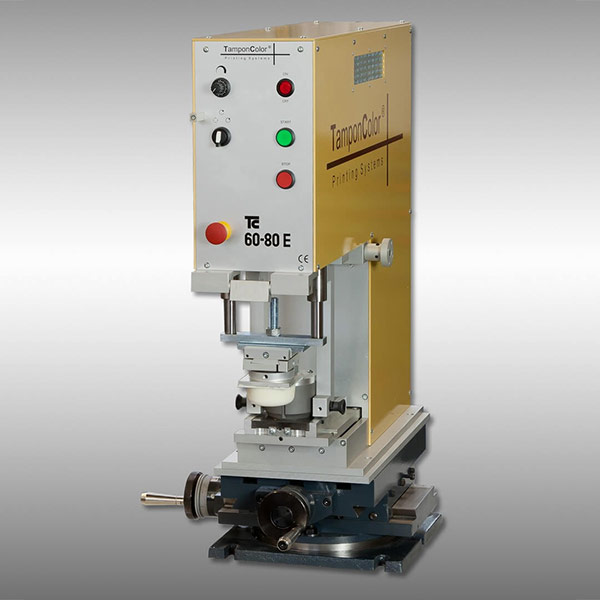
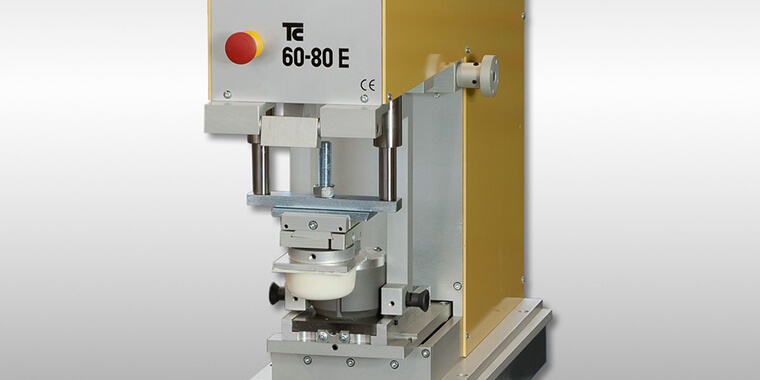
TC 60-80E
Drive and application
Electromechanical machine for stand-alone or inline operation
Selected technical specifications
Print images up to approx. 60 mm diameter, around 300 N printing force, up to approx. 3,000 prints per hour, cliché width up to 250 mm
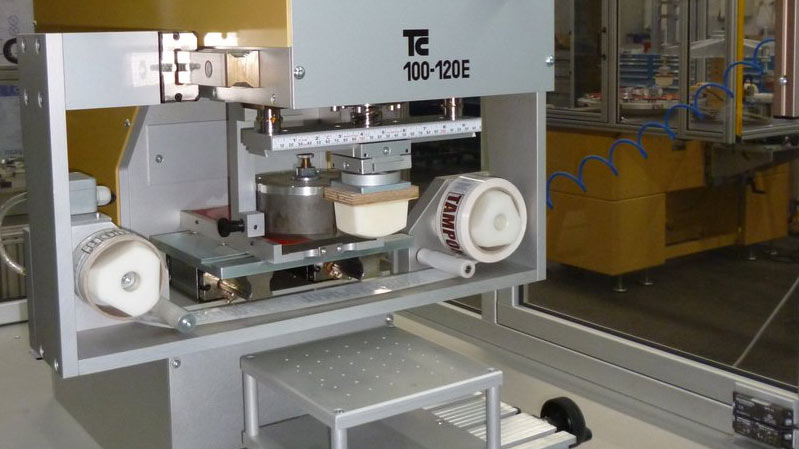
TC 100-120 E
Drive and application
Servo-electric pad printing machine
Selected technical specifications
Up to 1,600 N printing force, repeat accuracy ± 0.05 mm, up to 2,200 prints per hour, cliché width up to 800 mm
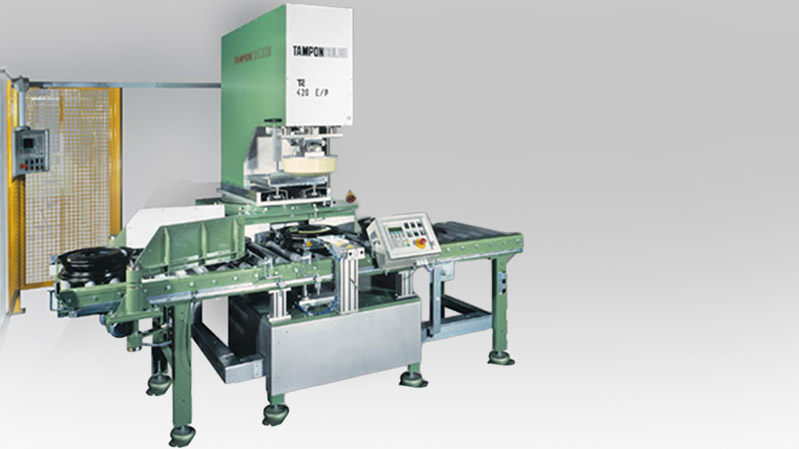
TC 420 E
Drive and application
Servo-electric high-performance machine
Selected technical specifications
Up to 15,000 N printing force, repeat accuracy ± 0.05 mm, cliché format up to 420 × 420 mm, up to approx. 800 prints per hour
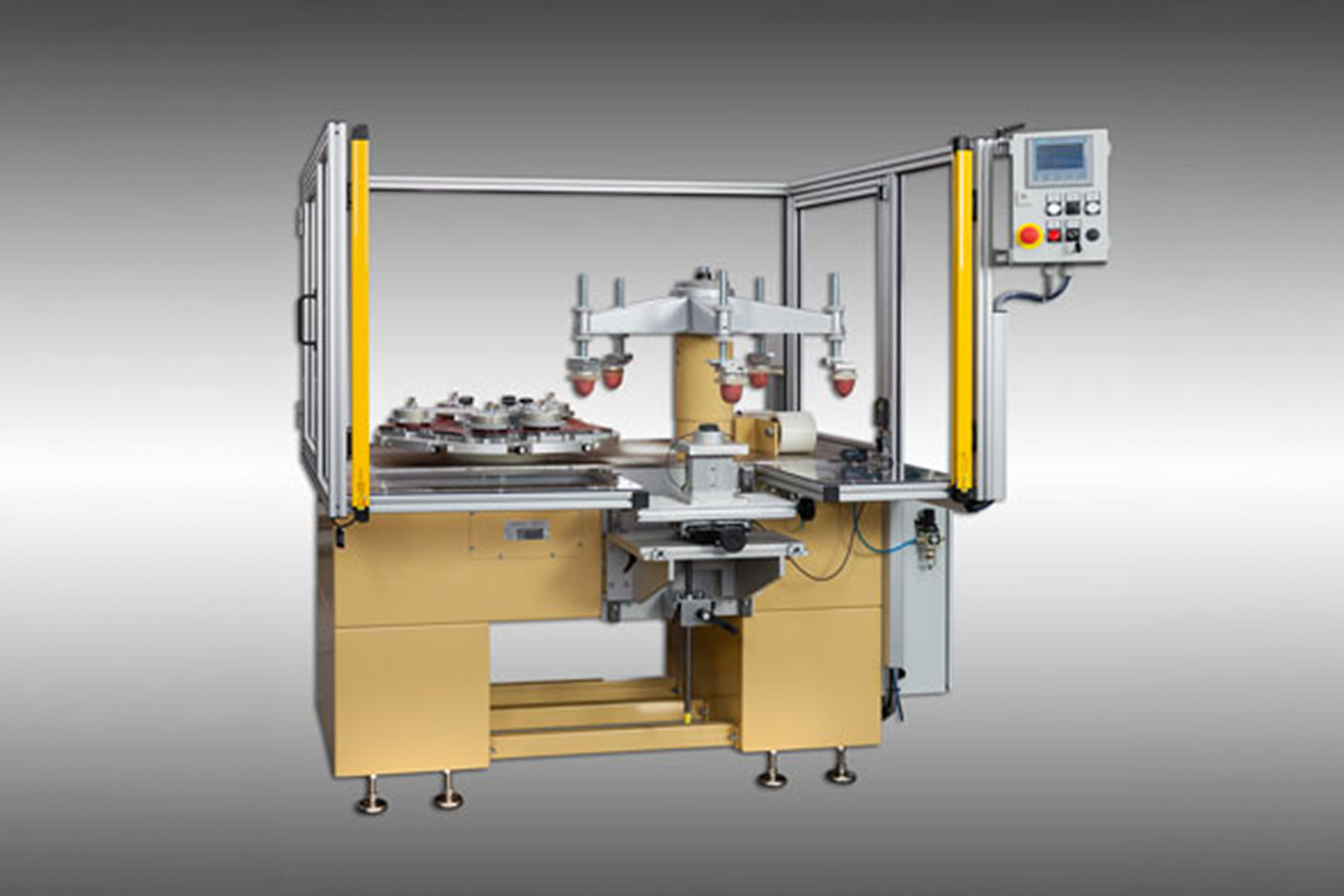
TC Multiprint
Drive and application
Electromechanical multi-color printing system
Selected technical specifications
One to five colors, print image diameter up to 120 mm depending on model, up to 750 parts per hour with four-color printing
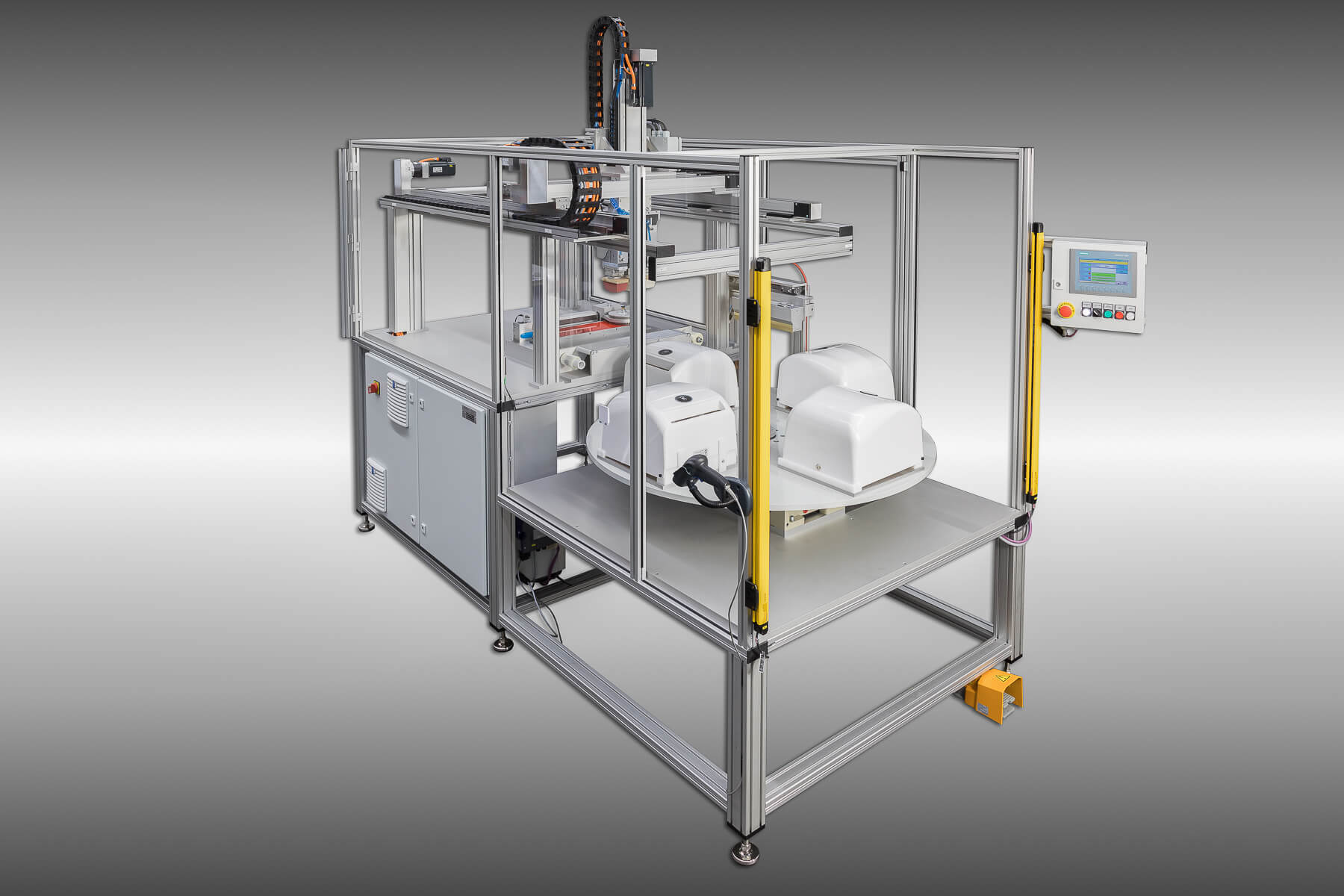
TC Portalprinter
Drive and application
Servo-electric portal printing system
Selected technical specifications
One to six colors, up to 2,000 N system printing force, travel ranges 550 × 1,400 × 300 mm, up to 600 parts per hour with single-color printing
The values are taken from the currently published product pages. They apply exclusively to the models listed and the configurations described there.
Three drive concepts for different printing processes
Drive type and motion control significantly influence the printing force, cycle rate, and programmability of a pad printing machine.
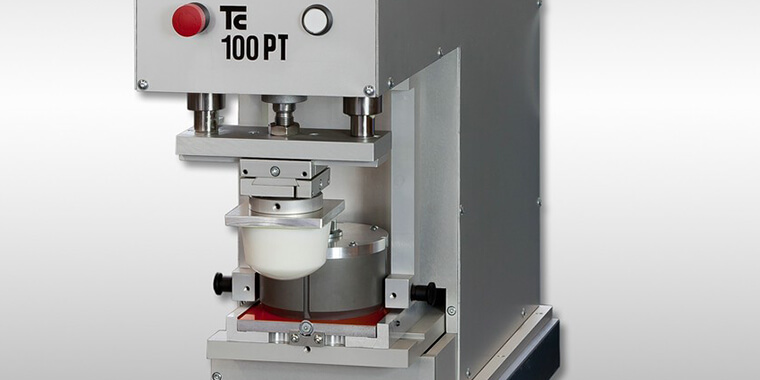
Electromechanical pad printing machines
Electromechanical machines operate with defined, mechanically guided motion sequences. Depending on the model, they achieve high cycle rates and are suitable for high-speed printing processes with small to medium cliché formats.
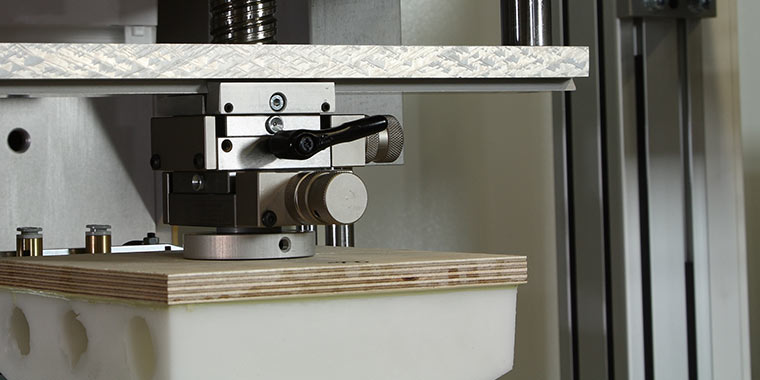
Pneumatic pad printing machines
Pneumatic machines offer a modular design and can be flexibly integrated into automation setups. The published range includes various machine concepts for single- and multi-color applications, long print images, and cliché widths up to 650 mm.
Servo-electric pad printing machines
Servo-electric machines enable freely programmable movements and speeds of the pad stroke. This allows the approach movement, contact duration, and lift-off speed to be adapted to the printing task. Current models combine high printing forces with a stated repeat accuracy of up to ± 0.05 mm.
Frequently asked questions about pad printing machines and systems
Answers to the most important questions about differences, drive types, and selection criteria.
A pad printing machine performs the actual ink transfer process. A pad printing system supplements this process with application-specific components, for example component feeding, workpiece transport, pre-treatment, drying, inspection, or connection to a production line.
The current range includes pneumatic, electromechanical, and servo-electric pad printing machines. Which drive type is suitable depends on factors such as printing force, speed, motion sequence, automation, and required programmability.
Several machine models are prepared for expansion into semi- or fully automatic printing stations. Which components can be added must be assessed for the specific model and the planned production process.
Print image size, pad geometry, printing force, number of colors, and production speed place different demands on the machine. A model with a high cycle rate therefore serves a different purpose than a machine with a large cliché format and high printing force.
A rotary printing machine is suitable for continuous print images on rotationally symmetric components. For individual print images on flat, curved, or textured surfaces, a conventional pad printing machine is generally the appropriate choice.
For an initial assessment, TAMPONCOLOR needs details about the component, material, print image, number of colors, quantity, and production process. After prior consultation, an original component can be sent in for a feasibility assessment.
Which machine suits your component?
Send us a photo, a drawing, or the key details of your printing task. Together we’ll clarify which machine type is suitable and whether an original component is needed for the technical assessment.
You can reach TAMPONCOLOR by email, via the contact form, or directly by phone.